moonage daydream (2022)
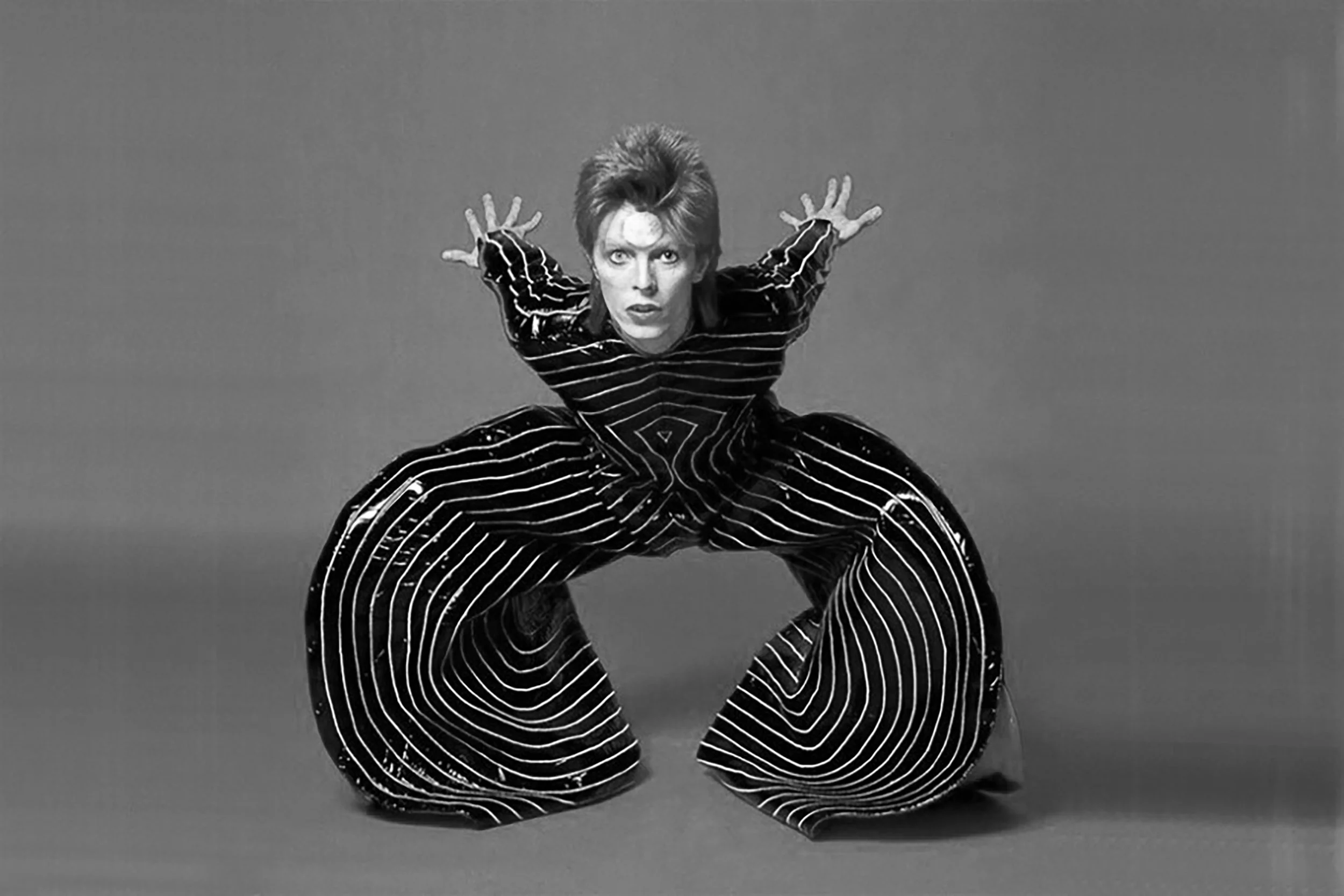
I watched Moonage Daydream last week during my trip to Japan. While my family was busy shopping at Don Quijote, I was in a coffee shop downloading the movie on my phone. There’s something about watching a good picture in a foreign country; the effects feel more lucid.
This film became an intimate experience with my own psyche and all the existential feelings that come with being alive.
Perhaps that was the intention of the director, Brett Morgen. The film doesn’t follow the traditional documentary format. There’s no tour of Bowie’s childhood home, no explanation of how he began his career, and no interviews with his loved ones.
Basically, anything you'd find on Wikipedia, you're not going to get here.
Morgen, describes this film as an audiovisual tapestry - an expansive collage of Bowie’s voice recordings, songs, films, and photos, all drawn from his archives.
Moonage Daydream is less biographical and more experiential. Rather than spitting facts about Bowie, the film uses abstract styles and techniques to convey his essence.

Transcendence
Bowie had many personas: Ziggy Stardust, the Thin White Duke, the '80s pop star, Halloween Jack, and more. His career spanned many genres: glam rock, art rock, psychedelia, industrial, electronic, and beyond.
He was a musician, painter, film and theater actor, poet, playwright, photographer, draftsman, and stylist. He claimed he was gay, then bisexual, and later admitted to being a “closeted heterosexual.”
He wasn’t afraid to tear the rules apart. And it’s so goddamn sexy.
Transience
Bowie was always in a state of flux. His album The Rise and Fall of Ziggy Stardust and the Spiders from Mars (1972) explores the fleeting nature of fame. His final album, Blackstar (2016), was a sober meditation on his own death and mortality.
In the film, he mentioned he never owned a home. Although he did in fact own several homes, we get the point: he was a bohemian, forever in transit. He lived in London, Los Angeles, Switzerland, Berlin, France, New York, and many other places.
Bowie also contradicted himself frequently. He started as an avant garde artist, then became an '80s pop star; he rejected romantic love, then later ended up in a stable marriage.
Mysticism
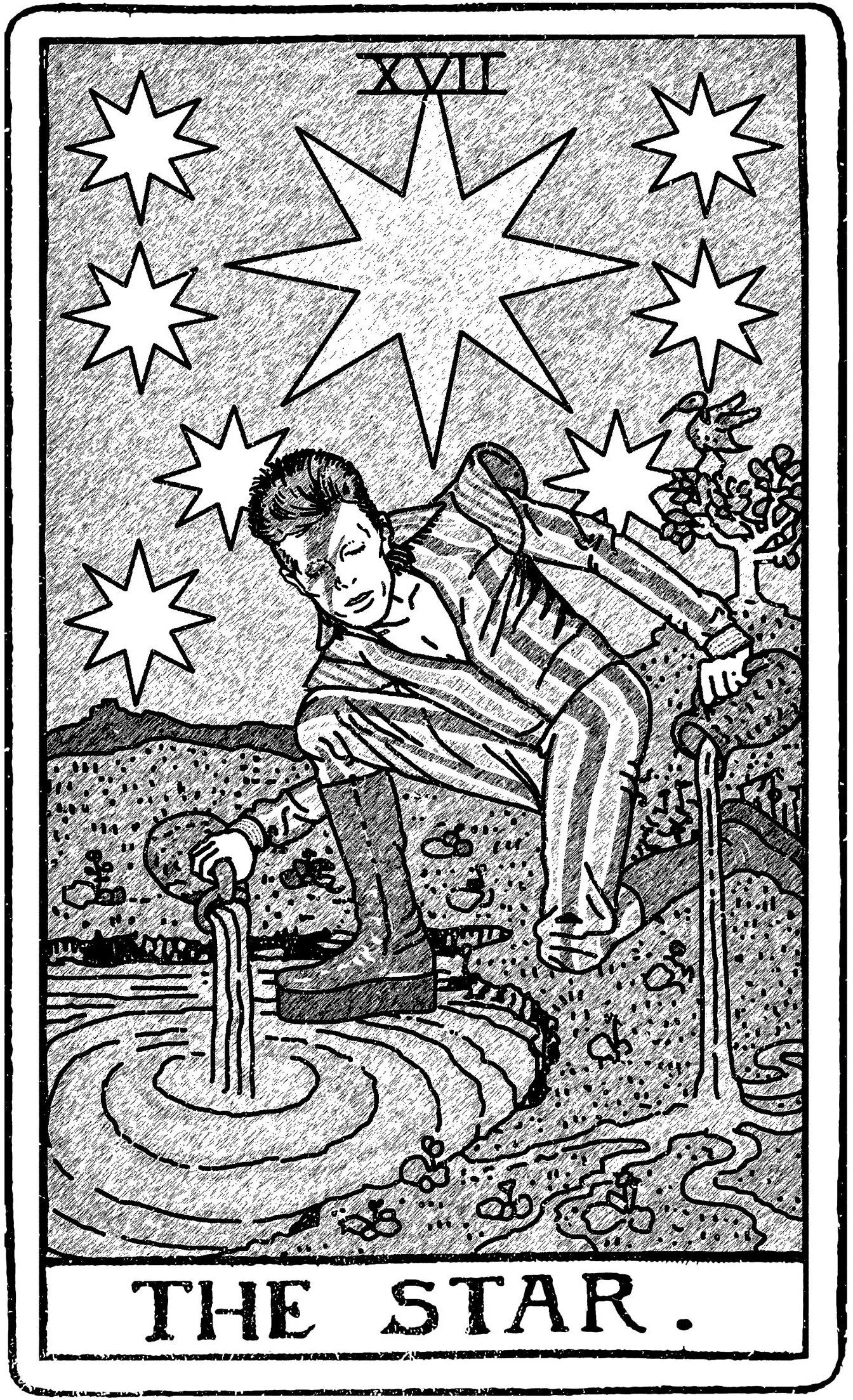
bowie mentions his zodiac sign multiple times in the film: Sun in Capricorn, Moon in Leo, and Aquarius rising. Obviously, that’s my kind of poison.
Mysticism was a big influence to his work. His first commercial hit, Space Oddity (1969), blended space travel with existential themes. Station to Station (1976) examines his “shadow self” through the Thin White Duke. Starman (1972) is a being sending a message of hope and transformation.
If anyone were meant to usher in the Age of Aquarius, it would be Ziggy Stardust.
So, if people are wondering when aliens will infiltrate our planet, they already have. I mean, didn’t David Bowie’s appearance give it away?
Conclusion
Watching Moonage Daydream felt larger than life. At times, it was exhilarating; at others, overwhelming. Either way, it was a trippy experience that I’d gladly repeat again.
If you’re into artsy, experimental cinema, this will be right up your alley. If you prefer movies with a more coherent narrative, then this might not be for you.