joe (1970)
Joe is not the kind of movie you’d expect from the director of Rocky and Karate Kid. Avildsen may have been behind the most hopeful films in cinema history, but not this animal. Joe is ballsy, sardonic, and darkly humorous; a satire that will make you feel guilty for laughing out load. Joe explores hatred, division, hidden secrets, and the tragic consequences of unchecked rage. The film is so uncomfortably blunt that it will leave you unsettled and questioning everything by the end.
The story follows Bill Compton, a wealthy advertising executive whose daughter, Melissa, falls victim to the hippie drug culture. After Melissa overdoses and is hospitalized, Bill goes to her drug-dealer boyfriend’s apartment to collect her belongings. In a moment of impulsive rage, he murders him. Seeking to calm his nerves, Bill retreats to a nearby bar, where he overhears factory worker Joe Curran ranting about wanting to kill hippies. Without thinking, Bill blurts out that he just did. This chance encounter sparks an unlikely and increasingly bizarre friendship between the two men.
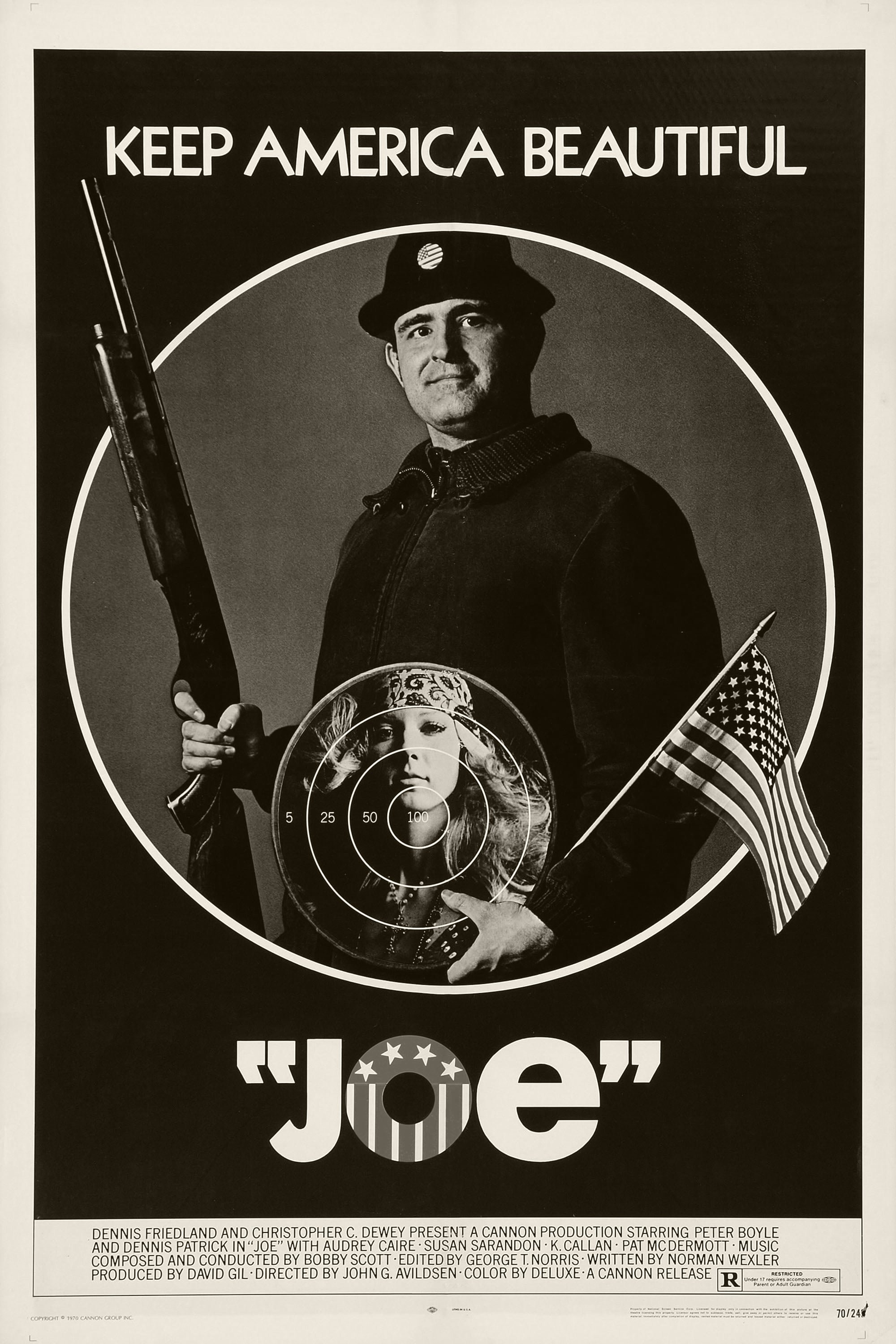
At first glance, the poster might suggest Joe is a right-leaning political film. But the brilliance of the movie lies in its political ambiguity. Until the final moment, you’re either swept up in Joe’s hatred of the counterculture or critiquing the social issues the film raises. This ensures that Joe resonates across the political spectrum, while still refusing to let any ideology off the hook.
Nonetheless, no one on either side comes off looking good. The dirtbag hippies swindle money and drugs, while the amoral bigots go on a murderous rampage. Both groups are equally messed up.
This begs the question: which side is the film on?
The film leans more toward the liberals, but we don’t realize this until Bill accidentally shoots his daughter at the end of the film… truly a grotesque fucking ending.
What makes Joe different from other political films is that it doesn’t shy away from the bullshit of both sides. The film recognizes that neither the left nor the right has a monopoly on truth. It understands that there are no easy answers to the cultural divides in America. The differences among classes, races, and generations are so stark that coming together feels almost impossible.
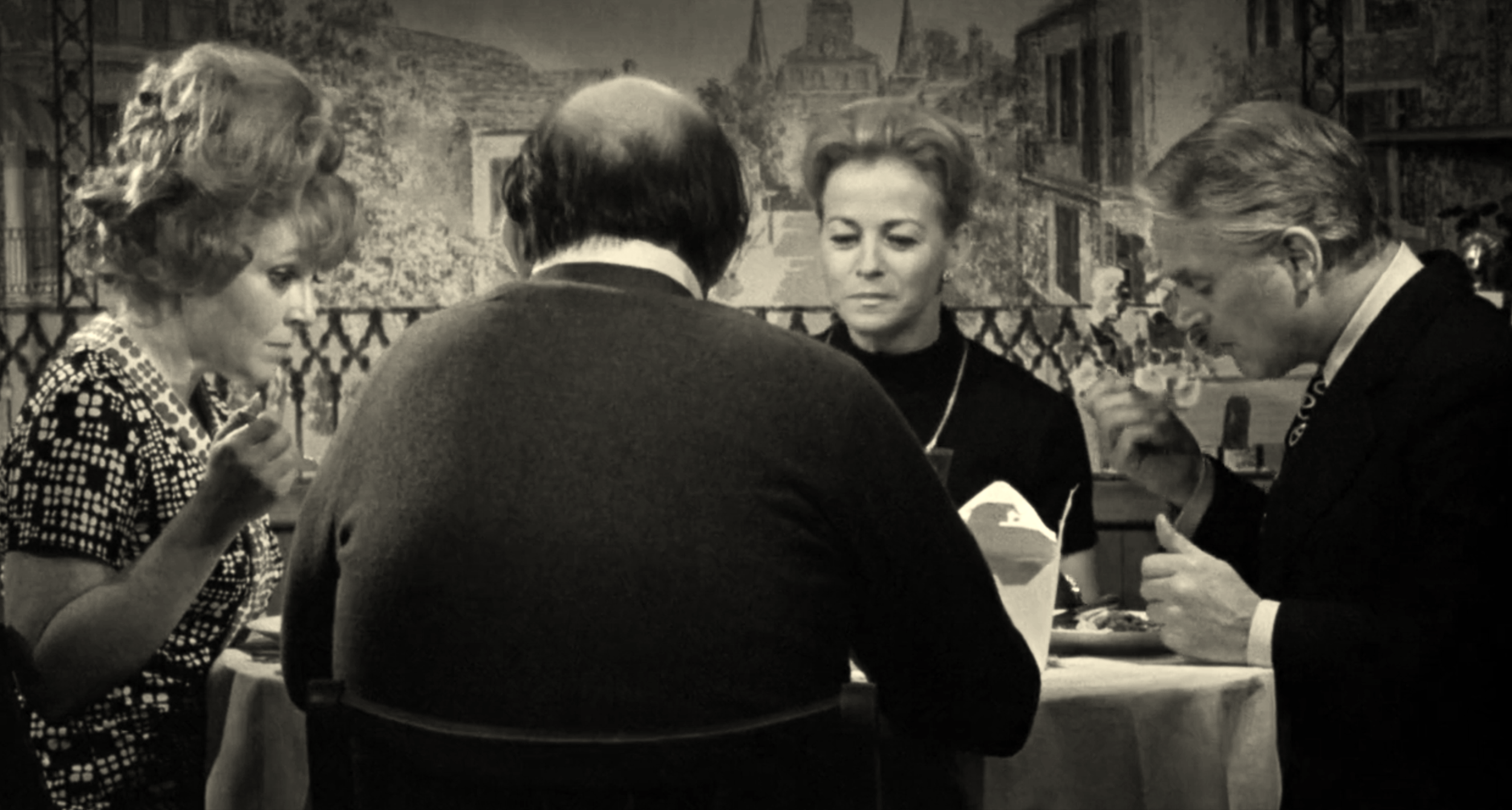
Take the dinner scene between the Comptons and the Currans, where the cultural divide is so glaring that it’s absurd. The Comptons are upper-class, cultured, and educated, while the Currans are rough around the edges, less polished, and from a lower social stratum. Aside from Bill’s confession about his secret murder, they have nothing in common. Joe doesn’t understand what Bill means by 'culture,' and Bill’s wife is disgusted by the idea of Chinese takeout. this scene has everyone feeling awkward, especially the audience.
two worlds colliding like this is almost funny to watch. Other than the classic dinner scene, there’s nothing more confusing than two middle-aged conservative men entering a macrobiotic restaurant together and accepting the invitation to join a hippie orgy afterward.
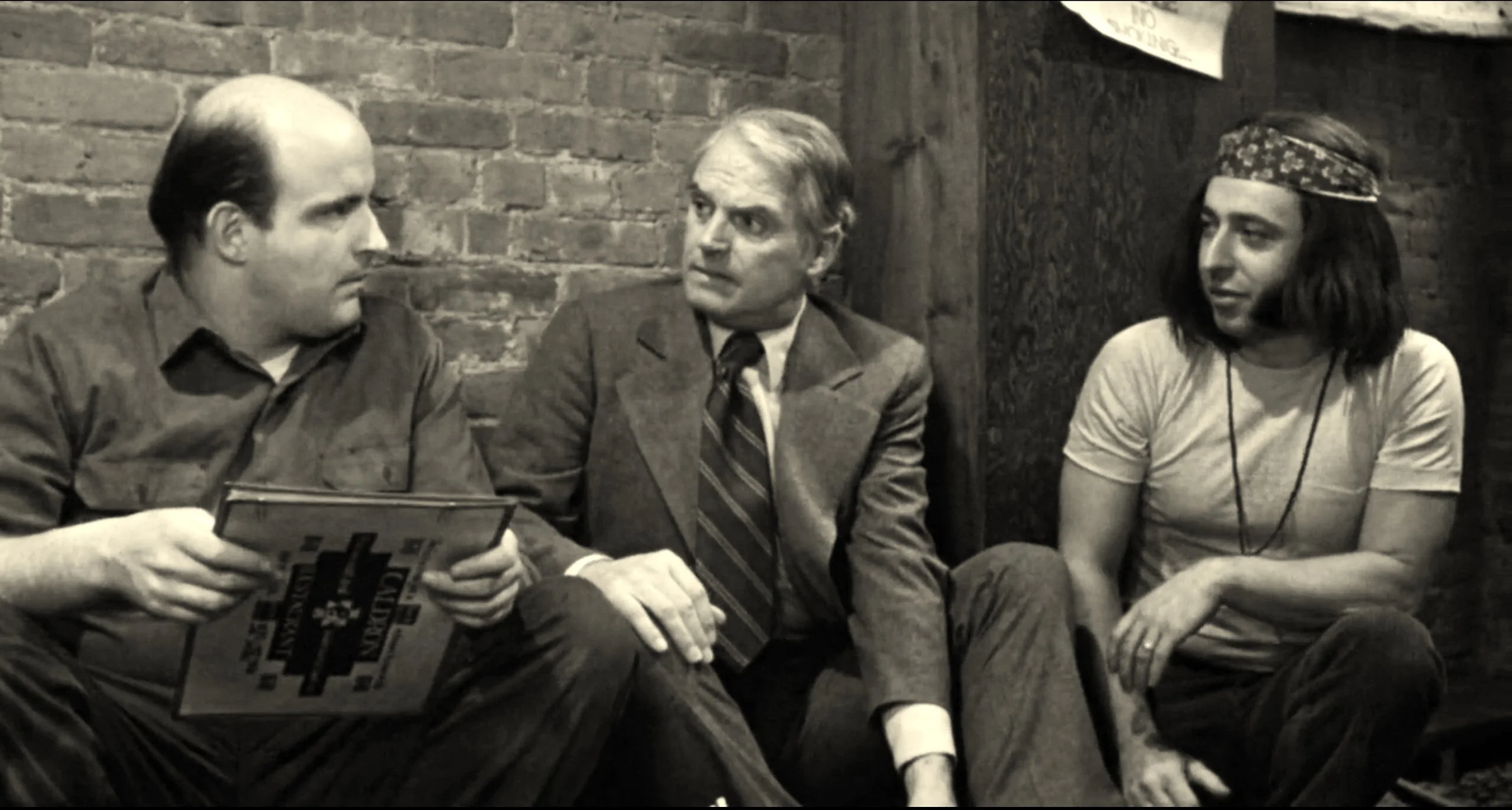
But the hippie orgy scene wasn’t just a punchline. It was an opportunity for Bill and Joe to transcend their hatred. It offers them a chance to deepen their unlikely friendship, and to see the hippies not as enemies but as people. The scene hints at the possibility of their cynicism evolving into something more complex.
Of course, like a classic american '70s movie, Joe wasn’t made to be that optimistic. It turns out, the orgy party was an orchestrated scam. The hippies end up stealing their wallets, which drives Joe into a violent frenzy that leads to the mass shooting in the upstate commune.
The film closes with a haunting image: Bill, standing a few feet away from his daughter, whom he has just accidentally shot. How does one recover from that kind of mess? The filmmakers of Joe sure as hell don’t know, and they’re brutally honest about it.
The film doesn’t point to a ‘right’ side. it makes you wonder if anyone is truly right.
Instead, it forces you to confront the uncomfortable truth that violence ripples outward in ways you can’t predict. It’s easy to hate a group until one of them becomes someone you love. You can justify killing hippies… until that hippie is your daughter. What may seem like two disparate ideas can actually be deeply intertwined with one another.
In Bill’s case, it was never about the hippies, Joe, or even his daughter. Violence, no matter how justified, destroys everything it touches, and it doesn’t care whether you’re right or wrong.